
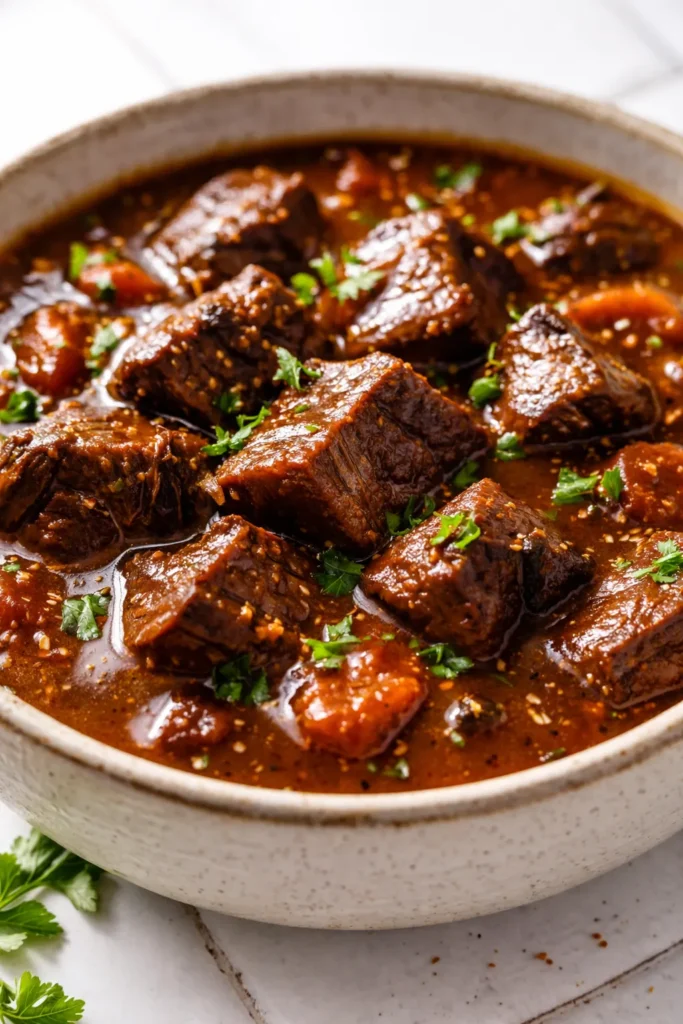
I’ve made a lot of stews in my time. But goulash? That one took me a minute to get right. The first version I made here in Atlanta was perfectly fine — table, not memorable. Celestine would have taken one bite, nodded politely, and asked what was for dessert. So I took it apart and started over. This authentic goulash starts with the beef, yes, but it really lives in the paprika. The sweet and the smoked, working together in a broth that gets deep and silky without a drop of cream. It’s the kind of meal that makes the whole house slow down.
The short version: This is the goulash recipe you make when you want something that tastes like it simmered for hours but only takes a real hour of your evening.
I’ve tested this about eight times to get the paprika balance right. My daughter Simone, who is eight and has opinions about everything, ate it over egg noodles and asked for seconds. That is my only metric that matters.
- Serves: 6 to 8 as a main
- Hands-On Time: 30 min | Total Time: 1 hr 45 min
- Difficulty: Medium (mostly waiting, not hard)
- Cost per serving: ~$4.50
- Calories: ~480 per serving (with egg noodles)
- Dietary Notes: Naturally dairy-free if you skip the sour cream topping. Gluten-free if served with polenta.
(Photo above: A wide shot of a dark cast iron Dutch oven on a trivet. The goulash is a deep amber color, steam rising off the surface, with a scoop of creamy polenta tucked to the side and a sprinkle of fresh parsley. A wooden spoon rests against the rim. Warm afternoon light from the kitchen window.)
The Two Things That Make This Goulash Different
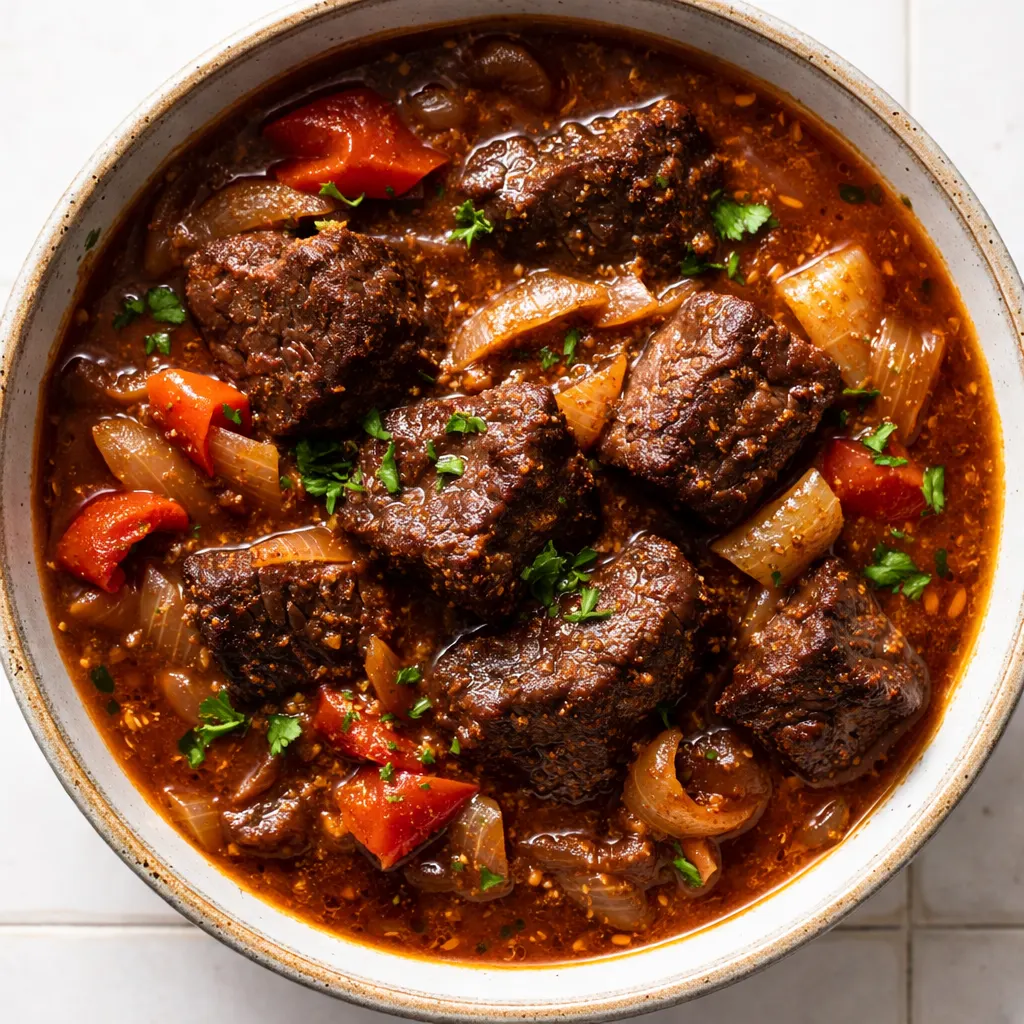
The first is the paprika situation. Most recipes dump it in with the liquid and let it boil away. That’s wasted potential. You have to bloom it in the hot fat — right after the tomato paste darkens — and stir it for about thirty seconds until the kitchen smells like a campfire in the best way. That unlocks the volatile oils. You can’t get that flavor back if you add it later.
The second is the beef. I don’t use pre-cut stew meat. It dries out. I buy a whole chuck roast and cut it into two-inch pieces myself. They brown better, they stay tender through the braise, and they break down into that perfect shreddable texture that makes a bowl of goulash feel like a hug.
These two things — the bloom and the good beef — are the difference between a goulash that’s fine and one your family requests by name.
What Goes In (And Why It Works)
- 2 ½ lbs beef chuck roast, cut into 2-inch pieces: The marbling keeps it tender. Don’t skimp here. Have your butcher cut it if you’re short on time. Marcus thought pre-cut stew meat was fine until I made him this version. He doesn’t ask for the other one anymore.
- 2 tbsp smoked paprika: This is the backbone. Smoky, deep, slightly spicy. It’s what makes the house smell like something good is happening. I use Penzeys or a good Spanish brand. The stuff that’s been sitting in your cabinet for two years has lost its voice.
- 1 tbsp sweet Hungarian paprika: Adds color and a mild sweetness that balances the smoke. Don’t skip it. The blend is the point.
- 3 tbsp tomato paste: We’re going to cook it in the fat until it turns brick red. This removes the tinny taste and adds an umami punch. Celestine taught me this trick for her red gravy. Works the same here.
- 1 large yellow onion, diced: The base of the trinity.
- 2 ribs celery, diced: Adds earthiness.
- 1 green bell pepper, diced: A slight bitterness that cuts through the richness. Daddy used to say green bell peppers are for savory cooking, red ones are for salads. He wasn’t wrong.
- 4 cloves garlic, minced: Standard. Don’t burn it.
- 1 cup dark beer or dry red wine: Adds acidity and depth. I use an Abita Amber here or a decent Cabernet. The alcohol cooks off. It leaves the flavor behind.
- 4 cups beef stock: Low-sodium so you can control the salt.
- 2 bay leaves: For the background hum.
- 1 tbsp apple cider vinegar or fresh lemon juice: The finish. Trust me on this.
- Kosher salt and black pepper: At every stage.
- For serving: Buttered egg noodles or creamy polenta. A dollop of sour cream and a sprinkle of fresh parsley if you’re feeling fancy.
The Tools That Make This Easy
- A heavy-bottomed Dutch oven. I use a 6-quart Lodge cast iron. If you don’t have one, a heavy stainless steel pot works too.
- A sharp knife. Cutting chuck roast is tough on a dull blade.
- A wooden spoon. For scraping the brown bits.
Let’s Make It — The Easy Version
This goes in stages. Read through once so you know where you’re headed. It’s not complicated, but the order matters.
Prep everything first: Dice the vegetables. Cut the beef. Measure the spices. Have the stock open. It moves faster that way.
- Brown the beef in batches: Pat the beef dry with paper towels. Season generously with salt and pepper. Heat a tablespoon of oil in your Dutch oven over medium-high heat. Add the beef in a single layer — do not crowd the pot. Let it sit for 3-4 minutes until a deep brown crust forms. Flip and repeat. Transfer to a plate. (📸 Photo tip: The beef should be deep mahogany on at least one side. If it’s gray, your pan wasn’t hot enough or you moved it too soon.)
- Cook the trinity: Reduce the heat to medium. Add a little more oil if needed. Add the onion, celery, and bell pepper. Cook, stirring occasionally, for 6-8 minutes until soft and translucent. Add the garlic and cook for one minute more.
- Brown the tomato paste: Push the vegetables to the sides of the pot. Add the tomato paste to the center. Let it sizzle for 30 seconds, then stir it into the vegetables. Cook for 2-3 minutes, stirring constantly, until it turns a deep rusty red color. This step is not optional. It changes the whole flavor profile.
- Bloom the paprika: Sprinkle the smoked and sweet paprika over the paste mixture. Stir constantly for 30 seconds until fragrant. It will smell smoky and almost meaty immediately.
- Deglaze the pot: Pour in the beer or wine. Scrape up all the brown bits from the bottom with your wooden spoon. Let it bubble for a minute to cook off the alcohol. (📸 Photo tip: The liquid should be a dark brick color. All the brown bits should be incorporated into the sauce.)
- Return the beef and add stock: Put the beef back in the pot, including any juices on the plate. Pour in the beef stock. Add the bay leaves. Bring it to a gentle simmer, then reduce the heat to low, cover, and let it cook for 1 hour 15 minutes.
- Thicken the broth: After 1 hour 15 minutes, remove the lid. Simmer uncovered for another 15-20 minutes until the broth reduces slightly and thickens. If you want it thicker, mash a tablespoon of flour with two tablespoons of softened butter and stir it in. But I prefer letting it do its thing naturally.
- Finish with acid: Remove the bay leaves. Stir in the vinegar or lemon juice. Taste and adjust salt and pepper. This is the moment the dish wakes up. Don’t skip it.
How I Make This for Busy Weeks
I make a double batch on Sundays. We eat it that night over egg noodles, and by Wednesday it’s even better. My secret: I freeze half in a quart-sized bag laid flat, so it takes up barely any room. A note for the busy cook: the beef actually tastes better on day two and three, so don’t worry about resting it overnight in the fridge.
- Fridge: Store in an airtight container for up to 4 days. Reheat gently on the stovetop over medium-low heat. Add a splash of water or stock if it’s too thick.
- Freezer: Yes. Let it cool completely, then transfer to freezer-safe bags or containers. Freezes perfectly for up to 3 months.
- Reheat: Thaw overnight in the fridge. Reheat in a covered pot over low heat, stirring occasionally. It will taste as good as the day you made it.
What I’ve Learned After Making This a Dozen Times
- Don’t rush the beef browning: I know it’s tempting to stir it constantly. Don’t. Let it sit and develop that crust. That crust is where the flavor lives. Even if you get distracted and it gets a bit darker than you intended — that’s usually better, not worse.
- Taste the paprika before you cook with it: Paprika loses its potency. If it doesn’t smell vibrant and slightly sweet in the jar, it won’t do much in the pot. Open a fresh jar if yours has been around since last Christmas.
- The acid rule stands: Celestine always said, “If it tastes flat, it needs acid.” A splash of vinegar at the end lifts the whole dish. I’ve forgotten it before and the difference was immediate and obvious.
- Toast your egg noodles: This is a weird trick but it works. Melt a tablespoon of butter in the pot you’re going to boil the noodles in. Add the dried noodles, stir for 2 minutes until they smell nutty, then add your water. They come out with a deeper flavor and they don’t clump together.
Make It Yours
- Simone’s Version (Kid-Friendly): Use only sweet paprika (omit the smoked), and add a handful of shredded cheddar on top when serving. It dials down the smoke and adds a creamy finish. My daughter calls it “the orange stew.”
- Dairy-Free / Whole30: Skip the sour cream topping. Serve over roasted cauliflower or baked potatoes. Use ghee or avocado oil instead of butter.
- Spicy Version: Add a diced jalapeño with the trinity, or stir in a teaspoon of cayenne pepper with the paprika. My husband Marcus loves this version. I set aside a bowl for myself before I add the extra heat.
- Instant Pot Version: Use the sauté mode for steps 1-5. Cook on high pressure for 35 minutes, then natural release for 15 minutes. Thicken with a slurry of 1 tablespoon cornstarch and 2 tablespoons cold water on the sauté mode before serving.
- Slow Cooker Version: Complete steps 1-5 on the stovetop (you still need to bloom the paprika and brown the beef — no shortcuts here). Transfer everything to the slow cooker and cook on low for 6-8 hours. Thicken the broth with a slurry before serving.
The Questions I Get About This Recipe All the Time
Q: Why is my goulash bland?
A: Ugh, I’ve been there. The most common culprit is weak paprika — either it was old, or you didn’t bloom it in the fat. The second culprit is not enough salt. Season the beef well at the start, and season the broth before serving. The third is forgetting the acid at the end. A splash of vinegar or lemon juice wakes everything up.
Q: Can I use ground beef instead of chuck roast?
A: You can, but it’s a different dish. Use 80/20 ground beef and brown it well. Drain the excess fat before adding the trinity. The texture will be more like a chili or a sloppy joe mix. It’s still good, it’s just not the same.
Q: How long does the goulash last? Can I freeze it?
A: It lasts 4 days in the fridge in an airtight container. It also freezes beautifully for up to 3 months. Let it cool completely before freezing. Reheat it gently on the stovetop or in the microwave. The flavors are actually better after a day or two in the fridge.
Q: What do you serve with this goulash?
A: My family loves it over creamy polenta — it’s basically Southern grits, which feels right to me. Buttered egg noodles are the classic. A simple green salad with a lemon vinaigrette cuts through the richness. My kids love it with crusty bread for dipping.
More Recipes My Family Makes on Repeat
If this one worked for you, here are a few others that live in my permanent rotation. They all have that same “feels like a hug” quality.
- [INTERNAL LINK PLACEHOLDER: My Braised Oxtails with Creamy Polenta] — Rich, fall-apart tender, and the sauce is absolutely ridiculous over anything starchy.
- [INTERNAL LINK PLACEHOLDER: The Red Beans and Rice That Made Celestine Famous] — The Monday tradition that started everything. This is the real version.
- [INTERNAL LINK PLACEHOLDER: Smoky Collard Greens with Ham Hock] — The greens my daughter finally admitted were “pretty good” — that was a win.
Make this goulash on a Sunday afternoon. Let it bubble away while you fold laundry or read a book. When the house smells like smoked paprika and braised beef, everyone will start migrating to the kitchen without being asked. That’s the sign it’s working.
If you make it, drop a comment below or tag me on Pinterest — I love seeing the steam rising from your pot the way it does from mine.
📌 Deep, smoky beef goulash that tastes like it simmered all day — save this easy stovetop recipe for your next cozy Sunday dinner. #authenticgoulash #beefgoulash #smokedpaprika
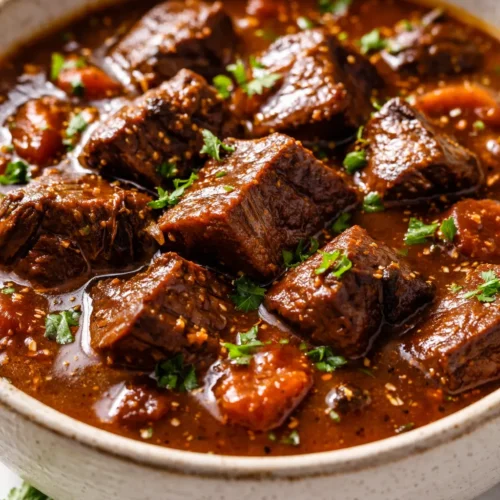
Deep, Smoky Beef Goulash That Tastes Like It Simmered All Day
Equipment
- 6-quart Dutch oven (cast iron or heavy stainless steel)
- Sharp chef’s knife
- Wooden Spoon
Ingredients
Beef and Seasoning
- 2 ½ lbs beef chuck roast, cut into 2-inch pieces
- 2 tbsp smoked paprika
- 1 tbsp sweet Hungarian paprika
- 3 tbsp tomato paste
- Kosher salt and black pepper, to taste
Aromatics
- 1 large yellow onion, diced
- 2 ribs celery, diced
- 1 green bell pepper, diced
- 4 cloves garlic, minced
Liquid & Finish
- 1 cup dark beer or dry red wine
- 4 cups low-sodium beef stock
- 2 bay leaves
- 1 tbsp apple cider vinegar or fresh lemon juice
For Serving (optional)
- Buttered egg noodles or creamy polenta
- Sour cream and fresh parsley, for garnish
Instructions
- Prep everything first: Dice the vegetables. Cut the beef. Measure the spices. Have the stock open. It moves faster that way.
- Brown the beef in batches: Pat the beef dry with paper towels. Season generously with salt and pepper. Heat a tablespoon of oil in your Dutch oven over medium-high heat. Add the beef in a single layer — do not crowd the pot. Let it sit for 3-4 minutes until a deep brown crust forms. Flip and repeat. Transfer to a plate. (📸 Photo tip: The beef should be deep mahogany on at least one side. If it’s gray, your pan wasn’t hot enough or you moved it too soon.)
- Cook the trinity: Reduce the heat to medium. Add a little more oil if needed. Add the onion, celery, and bell pepper. Cook, stirring occasionally, for 6-8 minutes until soft and translucent. Add the garlic and cook for one minute more.
- Brown the tomato paste: Push the vegetables to the sides of the pot. Add the tomato paste to the center. Let it sizzle for 30 seconds, then stir it into the vegetables. Cook for 2-3 minutes, stirring constantly, until it turns a deep rusty red color. This step is not optional. It changes the whole flavor profile.
- Bloom the paprika: Sprinkle the smoked and sweet paprika over the paste mixture. Stir constantly for 30 seconds until fragrant. It will smell smoky and almost meaty immediately.
- Deglaze the pot: Pour in the beer or wine. Scrape up all the brown bits from the bottom with your wooden spoon. Let it bubble for a minute to cook off the alcohol. (📸 Photo tip: The liquid should be a dark brick color. All the brown bits should be incorporated into the sauce.)
- Return the beef and add stock: Put the beef back in the pot, including any juices on the plate. Pour in the beef stock. Add the bay leaves. Bring it to a gentle simmer, then reduce the heat to low, cover, and let it cook for 1 hour 15 minutes.
- Thicken the broth: After 1 hour 15 minutes, remove the lid. Simmer uncovered for another 15-20 minutes until the broth reduces slightly and thickens. If you want it thicker, mash a tablespoon of flour with two tablespoons of softened butter and stir it in. But I prefer letting it do its thing naturally.
- Finish with acid: Remove the bay leaves. Stir in the vinegar or lemon juice. Taste and adjust salt and pepper. This is the moment the dish wakes up. Don’t skip it.
Notes
Related posts:
 Breakfast Crunchwraps That Stay Golden and Crisp in 30 Minutes — The Only One You’ll Need
 Savory Red Lentil Pancakes That Stay Crispy and Keep You Full Until Lunch
 Marry Me Chickpeas: The Creamy, Garlicky Version That’s Actually Worth the Hype – in 30 Minutes
 Creamy Tuscan Gnocchi That Tastes Like a Slow Sunday in Italy — in Under 30 Minutes