
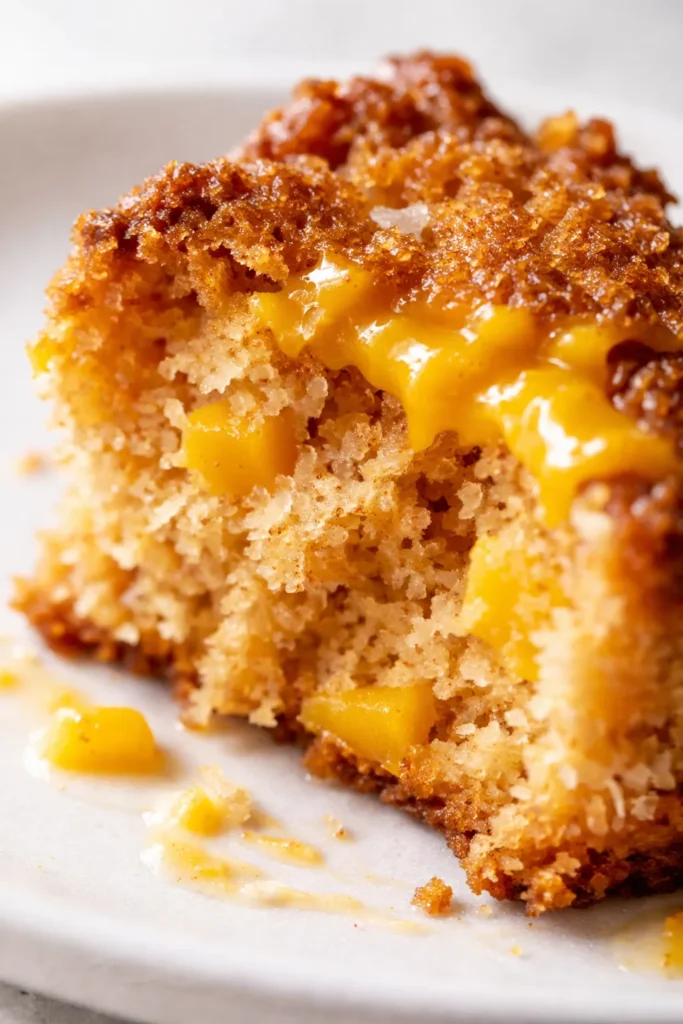
TLDR: This tropical vegan cake uses a tangy soy-based buttermilk and sunflower oil for an incredibly tender crumb, while real mango puree flavors both the sponge and the fluffy buttercream. The trick is alternating plain and mango batters for a gorgeous marbled effect. Expect a moist, fragrant layer cake that tastes just as celebratory as the classic version — no one will guess it’s plant-based.
The first time I made this vegan mango coconut cake, it was for a late‑summer birthday where the guest of honor couldn’t have dairy. I wanted something that felt celebratory and indulgent, not like a compromise. This cake, with its tender crumb and bright mango hits, was the star of the party. My notoriously picky aunt asked for the recipe before she even finished her first slice. That’s when I knew I had cracked the code on truly crowd‑pleasing vegan baking. The texture is light, the coconut buttercream is dreamy, and those pockets of sweet mango puree running through the sponge are pure joy.
How I Tested This Recipe (and Why It Works)
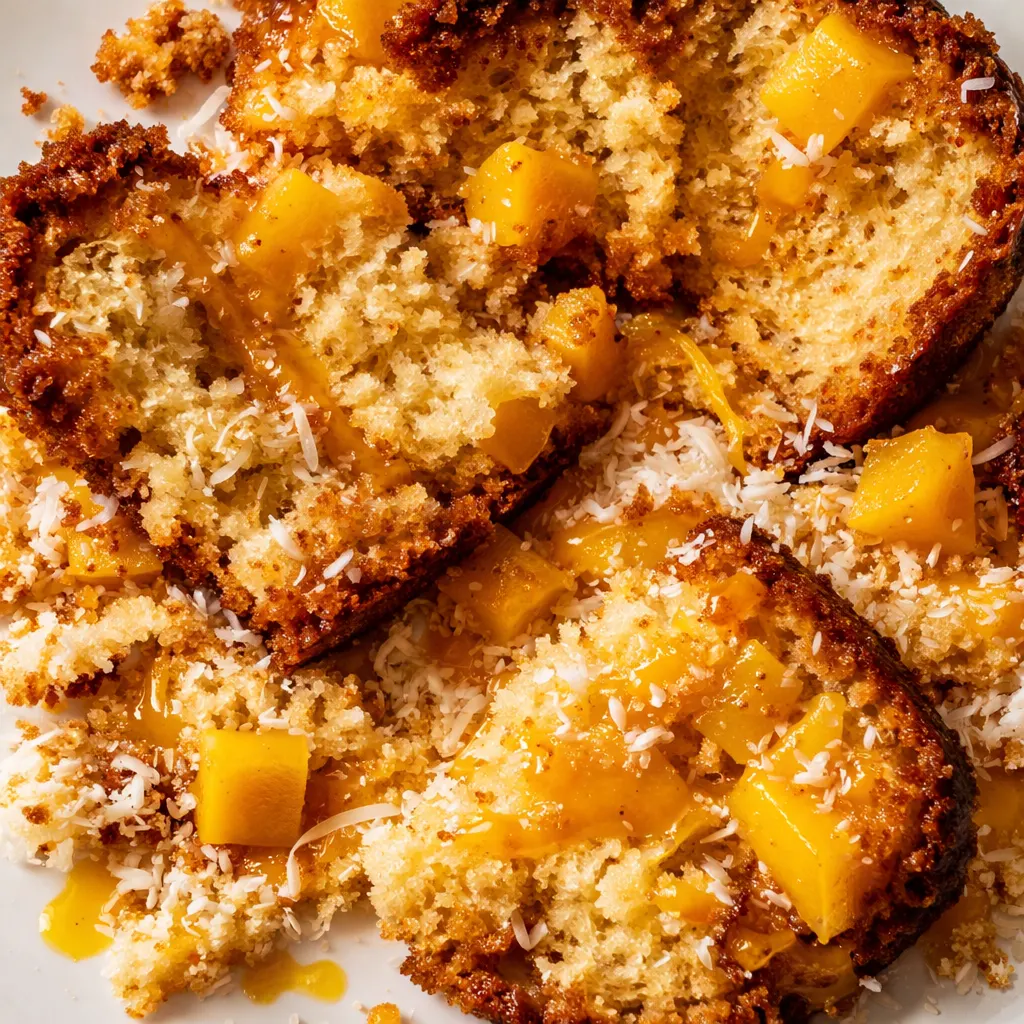
The first two times I tested this cake, the center sank completely. I didn’t realize the vegan buttermilk needed the full 10 minutes to activate properly, and I was overmixing the batter, trying to get it perfectly smooth. For batch three, I let the buttermilk sit, folded the flour mixture gently until it just came together, and added the mango puree in distinct swirls rather than mixing it completely. The difference was immediate: tall, even layers with a moist, pillowy crumb that pulled apart beautifully. Now I never skip a single minute of that buttermilk rest — it’s the key to this cake’s success.
- Serves: 12–14 as dessert
- Hands-On Time: 45 min | Total Time: 1 hr 30 min
- Difficulty: Medium — the layer cake assembly requires some patience, but the batter itself is a breeze
- Cost per serving: ~$1.80
- Nutrition Estimate: 485 Calories, 3g Protein, 62g Carbs, 26g Fat, 8g Saturated Fat, 4g Fiber, 210mg Sodium per serving
- Dietary Notes: Naturally Vegan / Nut-Free with certified nut-free milk and butter
(Photo above: A three-tiered vegan mango coconut cake on a vintage white cake stand, thick coconut buttercream draped generously over the edges, toasted desiccated coconut pressed into the sides, and glossy mango puree drizzled over the top with fresh green rosemary sprigs and tiny golden mango cubes.)
Why Soy Milk and Vinegar Make the Best Vegan Buttermilk
This combination is the secret to a light, fluffy vegan sponge. The acidity in the apple cider vinegar reacts with the bicarbonate of soda to create lift, while the protein in soy milk coagulates slightly to mimic the structure that eggs usually provide. Sunflower oil keeps the crumb tender and moist for days — you won’t get that dry, crumbly texture so common in vegan cakes. The mango puree adds natural sweetness and acidity that brightens every bite. According to USDA nutritional data, mangoes are rich in Vitamin C and Vitamin A, making this more than just a pretty dessert.
Ingredients Worth Talking About (With Real Talk)
- 480 ml dairy-free milk (soy milk works best): Soy has the highest protein content, which mimics dairy buttermilk best and gives the cake the strongest, most stable crumb. Oat milk works in a pinch, but the texture will be slightly softer.
- 2 teaspoons apple cider vinegar: This is what creates the vegan buttermilk. Don’t skip it — the acidity is non-negotiable for the chemical reaction that lifts the cake.
- 420 g self-raising flour: Provides the structure. If you only have all-purpose, add 2 teaspoons of baking powder per 150 g of flour.
- 300 g caster sugar: Fine sugar dissolves more easily, giving a smoother crumb. Regular granulated sugar works too, but pulse it in a blender for a few seconds if it’s very coarse.
- 1 teaspoon baking powder: Extra insurance for a good rise.
- 1 teaspoon bicarbonate of soda: Reacts with the acidic buttermilk for that initial lift.
- 120 ml sunflower oil: Neutral-flavored oil keeps the cake incredibly moist. Melted coconut oil works but will solidify if the room is cold, potentially making the batter stiff.
- 1 teaspoon vanilla extract: Rounds out the flavors.
- 80 g mango puree (for sponge): Adds sweetness and moisture. Use good quality tinned puree or blitz fresh mangoes. Don’t use mango syrup — it’s too thin and sugary.
- 300 g vegan block butter (softened): Block butter is crucial for a stable buttercream. Margarine spreads contain too much water and will make the frosting runny.
- 500 g icing sugar: Provides structure for the buttercream.
- 6 tablespoons mango puree (for buttercream): Gives the frosting its incredible flavor and pale orange color.
- 400 g desiccated coconut: Use a mix of fine and medium shred for the best texture. Toast half of it for extra flavor.
- 1 ripe mango (cut into small cubes): Fresh cubes for the top.
- Rosemary sprigs (optional): For that gorgeous cake-stand-worthy finish.
The Setup (It’s Minimal, I Promise)
- Oven — preheated to 180°C (fan).
- Three 8-inch cake tins — for even layers. If you only have two, adjust the baking time slightly.
- Baking paper — to line the tins.
- Mixing bowls — at least two large ones.
- Whisk and stand mixer or electric hand whisk — a whisk for the batter, a mixer for the buttercream.
- Toothpick and Skewer — for marbling and testing doneness.
- Cake stand and piping bag — for assembly and decoration.
- Spatula — for smoothing.
Making This Tropical Layer Cake: My Exact Process
Set aside a couple of hours where you won’t be rushed. The actual work is quick, but the chilling steps are what give you that professional, polished look. As you mix the buttermilk, you’ll notice a faint tang — that’s the vinegar working its magic. When you toast the coconut later, your kitchen will smell like a warm beach.
Preheat and Prep
- Preheat oven to 180°C (fan). Line three 8-inch cake tins with baking paper.
- Buttermilk: Mix the 480 ml dairy‑free milk with 2 teaspoons apple cider vinegar. Let sit for 10 minutes — it will look slightly curdled and smell a little tangy, like a very mild yogurt.
- Dry mix: In a large bowl, combine 420 g self‑raising flour, 300 g caster sugar, 1 teaspoon baking powder, and 1 teaspoon bicarbonate of soda. Whisk to aerate.
- Wet mix: Add the 120 ml sunflower oil and 1 teaspoon vanilla extract to the buttermilk. Whisk until smooth and emulsified — you’ll hear the oil incorporate with a soft, silky sound.
- Combine: Pour the wet mixture into the dry ingredients. Mix gently with a spatula until no streaks of flour remain. Do not overmix — a few lumps are fine; they’ll bake out.
- Create the marble: Divide the batter in half. Add 80 g mango puree to one half. The puree will smell intensely sweet and fruity. Now, pour both batters into the tins, alternating spoonfuls of plain and mango batter. Use a toothpick to gently swirl them together — just three or four figure‑eight motions. You want distinct ribbons, not a uniform color.
- Bake for 25–30 minutes, rotating the tins halfway through. The cakes are done when a skewer inserted into the center comes out clean or with just a few moist crumbs attached. The tops should spring back when lightly pressed.
- Cool: Let the cakes rest in the tins for 10 minutes, then turn them out onto a wire rack. Cool completely before assembling — this can take an hour. The aroma of vanilla and mango will linger in your kitchen.
Buttercream and Assembly
- Buttercream: In a stand mixer, whip the 300 g softened vegan block butter for 5–7 minutes until pale and creamy — it should look like a thick, airy cloud. Gradually add the 500 g icing sugar, one cup at a time, beating well after each addition. Add the 6 tablespoons mango puree and whip for a full 5–8 minutes until light, airy, and spreadable — the color will turn a soft peachy orange and the frosting will feel almost mousse‑like.
- Assemble: Place the first sponge on a cake stand. Spread a generous layer of buttercream, drizzle with extra mango puree, and sprinkle with desiccated coconut. Repeat for the second layer. Top with the third sponge. Apply a thin crumb coat of buttercream to seal in any loose crumbs. Refrigerate for 15 minutes — this firms up the base so the final coat glides on cleanly.
- Finish: Add the final thick buttercream layer and smooth it with a spatula. Press desiccated coconut all around the sides and top. Pipe decorative swirls on the top edges. Fill the swirls with mango puree, then decorate with fresh mango cubes and rosemary sprigs. The result is a cake that looks like it came from a professional bakery — but tastes even better.
Make-Ahead Notes (Because Layer Cakes Take Time)
I almost always make the sponge layers a day ahead. It breaks the work up and makes assembly so much less stressful. The flavors actually meld together better overnight.
- Fridge: Bake the sponges, wrap each one tightly in cling film, and store in the fridge for up to 2 days before assembling.
- Freezer: Wrap the unfrosted sponges in cling film and then foil. Freeze for up to 3 months. Assemble straight from the freezer — the cold sponges are easier to frost without crumbs.
- Reheat: This cake is served at room temperature. Take it out of the fridge 30–45 minutes before serving for the best texture and flavor.
Things I Wish I’d Known Before I Started
- Chill your bowl and beaters: If your kitchen is warm, pop the mixer bowl and beaters in the fridge for 10 minutes before making the buttercream. Vegan block butter can get very soft very quickly, and a cold start prevents a greasy, soupy frosting. Trust me on this one — it makes a massive difference.
- Level your sponges: Even if they look flat, use a serrated knife to gently level the tops. This ensures the cake doesn’t lean and the filling layers are even. I know it feels wasteful, but those trimmings make a fantastic impromptu dessert with a little extra buttercream.
- Don’t skip the crumb coat: That thin layer of buttercream you slap on before the final coat is what catches all the loose coconut and cake crumbs. If you skip it, your final layer will look speckled and messy. The 15 minutes in the fridge hardens it enough that the final coat goes on perfectly smooth.
- Toast the coconut: Spread the desiccated coconut on a baking sheet and bake at 160°C for 5–7 minutes, stirring once, until it’s golden and fragrant. It adds a nutty depth that completely transforms the cake. Even if you mess up the toasting a little, it’ll still taste amazing — I’ve done it.
Swaps That Actually Work
- Gluten-Free: Use a good quality gluten-free self‑raising flour blend that contains xanthan gum. The texture will be slightly more tender, so let the cakes cool completely in the tin before turning them out.
- Lower Sugar: Reduce the caster sugar to 200 g. Be aware that this will affect the texture — the cake won’t be quite as moist, and the buttercream won’t be as fluffy. It’s still delicious, just a little more rustic.
- Nut-Free: Ensure your dairy‑free milk and vegan butter are certified nut‑free. Oat milk and sunflower oil‑based butters are great options.
- Single Layer: Bake the batter in two 8‑inch tins for a slightly taller single layer cake, or use one 9×13 inch sheet pan and bake for 35–40 minutes.
Troubleshooting Your Plant-Based Mango Cake
Q: Why did my cake sink in the middle?
A: The most common reason is that the oven temperature was too low or the batter was overmixed. Make sure your oven is fully preheated to 180°C. Overmixing develops the gluten too much and knocks the air bubbles out. Mix just until combined — a few small lumps are okay.
Q: Can I use canned coconut milk instead of soy milk?
A: Not in the sponge. Canned coconut milk is too heavy and high in fat, which will make the cake dense and greasy. Save it for a different recipe. Soy milk is the champion here for structure.
Q: How do I know when the cakes are done?
A: The top should spring back when lightly touched, and a skewer inserted into the center should come out clean or with a few moist crumbs, not wet batter. If it’s still jiggly, give it another 3–4 minutes.
Q: Can I make this without a stand mixer?
A: Yes, absolutely. Use a large bowl and an electric hand whisk. For the buttercream, you’ll need to whisk for a good 8–10 minutes to get it properly fluffy. Your arm will get a workout, but it will work perfectly well.
Storage and Serving Tips
Q: How long does this cake last, and how should I store it?
A: Store the finished cake in an airtight container in the fridge for up to 5 days. The flavors continue to develop, so day two is arguably even better than day one.
Q: Can I make this cake ahead of time and freeze it?
A: Yes! You can freeze the fully assembled and frosted cake for up to 3 months. Place it in the freezer uncovered for an hour to harden the buttercream, then wrap it tightly in several layers of cling film and foil. Defrost in the fridge overnight.
Q: What’s the best way to serve this cake?
A: For the best flavor and texture, remove the cake from the fridge 30–45 minutes before serving. This allows the sponge to soften and the mango flavor to really shine.
Q: What do you serve with this cake?
A: This cake is rich enough to stand on its own, but a dollop of extra coconut cream or a side of fresh berries balances the sweetness beautifully. A cup of strong black tea or an iced coffee is my personal favorite pairing — it cuts through the richness perfectly.
This cake has saved me more times than I can count — from last‑minute birthday parties to those Sundays when only a truly spectacular dessert will do. It’s forgiving, it’s beautiful, and it tastes like a tropical vacation.
If you try it, drop a comment below — I love hearing how it goes for you!
This plant-based mango coconut cake recipe with a moist crumb and fluffy mango buttercream is perfect for celebrations — save it for your next spring brunch or summer birthday party!
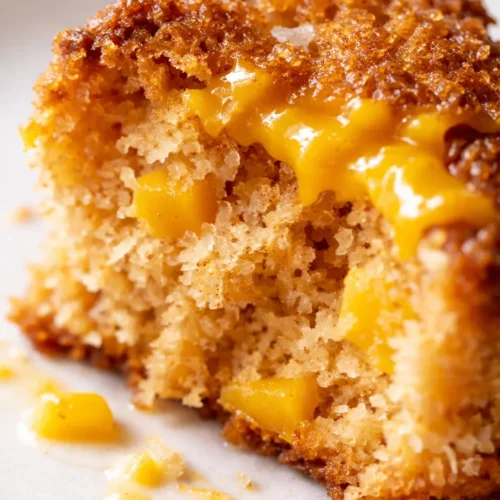
Vegan Mango Coconut Cake That’s Moist, Tropical, and Completely Dairy-Free
Equipment
- Oven
- 8-inch cake tins (3)
- Baking paper
- Mixing Bowls
- Whisk
- Stand mixer or electric hand whisk
- Toothpick
- Skewer
- Cake stand
- Piping bag
- Spatula
Ingredients
For the Sponge
- 480 ml dairy-free milk soy milk works best
- 2 teaspoons apple cider vinegar
- 420 g self-raising flour
- 300 g caster sugar
- 1 teaspoon baking powder
- 1 teaspoon bicarbonate of soda
- 120 ml sunflower oil
- 1 teaspoon vanilla extract
- 80 g mango puree for sponge
For the Buttercream
- 300 g vegan block butter softened
- 500 g icing sugar
- 6 tablespoons mango puree for buttercream
For Decoration
- 400 g desiccated coconut
- 1 ripe mango cut into small cubes
- rosemary sprigs optional
Instructions
- Preheat oven to 180°C (fan). Line three 8-inch cake tins with baking paper.
- Buttermilk: Mix the 480 ml dairy‑free milk with 2 teaspoons apple cider vinegar. Let sit for 10 minutes — it will look slightly curdled and smell a little tangy, like a very mild yogurt.
- Dry mix: In a large bowl, combine 420 g self‑raising flour, 300 g caster sugar, 1 teaspoon baking powder, and 1 teaspoon bicarbonate of soda. Whisk to aerate.
- Wet mix: Add the 120 ml sunflower oil and 1 teaspoon vanilla extract to the buttermilk. Whisk until smooth and emulsified — you’ll hear the oil incorporate with a soft, silky sound.
- Combine: Pour the wet mixture into the dry ingredients. Mix gently with a spatula until no streaks of flour remain. Do not overmix — a few lumps are fine; they’ll bake out.
- Create the marble: Divide the batter in half. Add 80 g mango puree to one half. The puree will smell intensely sweet and fruity. Now, pour both batters into the tins, alternating spoonfuls of plain and mango batter. Use a toothpick to gently swirl them together — just three or four figure‑eight motions. You want distinct ribbons, not a uniform color.
- Bake for 25–30 minutes, rotating the tins halfway through. The cakes are done when a skewer inserted into the center comes out clean or with just a few moist crumbs attached. The tops should spring back when lightly pressed.
- Cool: Let the cakes rest in the tins for 10 minutes, then turn them out onto a wire rack. Cool completely before assembling — this can take an hour. The aroma of vanilla and mango will linger in your kitchen.
- Buttercream: In a stand mixer, whip the 300 g softened vegan block butter for 5–7 minutes until pale and creamy — it should look like a thick, airy cloud. Gradually add the 500 g icing sugar, one cup at a time, beating well after each addition. Add the 6 tablespoons mango puree and whip for a full 5–8 minutes until light, airy, and spreadable — the color will turn a soft peachy orange and the frosting will feel almost mousse‑like.
- Assemble: Place the first sponge on a cake stand. Spread a generous layer of buttercream, drizzle with extra mango puree, and sprinkle with desiccated coconut. Repeat for the second layer. Top with the third sponge. Apply a thin crumb coat of buttercream to seal in any loose crumbs. Refrigerate for 15 minutes — this firms up the base so the final coat glides on cleanly.
- Finish: Add the final thick buttercream layer and smooth it with a spatula. Press desiccated coconut all around the sides and top. Pipe decorative swirls on the top edges. Fill the swirls with mango puree, then decorate with fresh mango cubes and rosemary sprigs. The result is a cake that looks like it came from a professional bakery — but tastes even better.
Related posts:
 Cookie Butter Tres Leches Cake: The Soaked Cake That Redefines Dessert
 Snickerdoodle Zucchini Bread That’s Moist, Swirled, and Secretly Good for You
 The Gluten-Free Chocolate Zucchini Bread You’d Never Guess Is Gluten-Free (It’s Rich, Moist & Impossible to Stop Eating)
 The Moist Zucchini Bread You’d Never Guess Is Lightened Up — One Bowl, No Mixer