
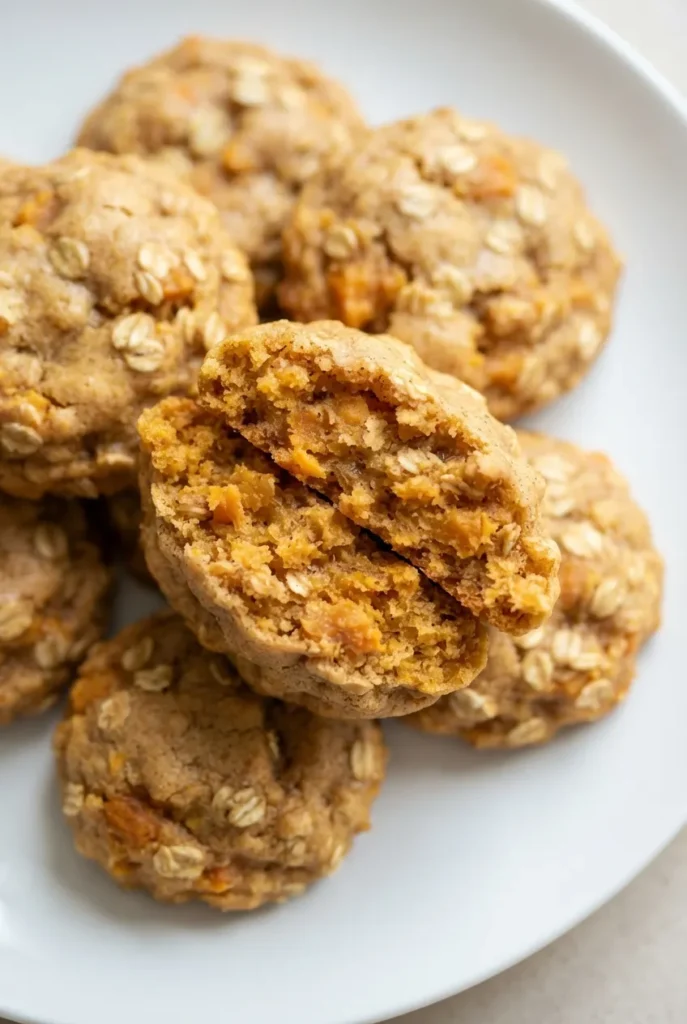
The first time I made sweet potato cookies, I wasn’t expecting much. Sweet potatoes in a cookie felt like a stretch, even for someone who puts vegetables in everything. But that first batch came out of the oven smelling like fall in a kitchen — cinnamon warming through the air, the edges golden on the bottom, the centers impossibly soft. My neighbor, who swears she doesn’t like “healthy desserts,” ate four before I could get them on a plate. These cinnamon sweet potato cookies have been in steady rotation ever since, for everything from Thanksgiving dessert to weekday afternoon snacks when I need something that feels like a treat but doesn’t leave me crashing an hour later.
The first batch I made spread too much — flat, sad little disks that tasted fine but looked nothing like a cookie. I realized the sweet potato puree I’d used was too wet, straight out of the steamer without draining. The second batch I let the mashed sweet potato sit in a fine-mesh strainer for ten minutes to release excess liquid, and the difference was immediate: the dough held its shape, the cookies baked up with actual height, and the texture went from mushy to perfectly tender. That extra step is now non-negotiable in my kitchen.
- Servings: 12 cookies (snack or dessert)
- Hands-on time: 15 minutes | Total time: 30 minutes
- Difficulty: Easy enough for a beginner baker on a weeknight
- Cost per serving: About $0.75 per cookie
- Nutrition (per cookie): 150 calories, 3.5g protein, 17g carbs, 8g fat, 2g saturated fat, 2g fiber, 40mg sodium
- Dietary: Naturally gluten-free with certified gluten-free oats / Easily dairy-free
Photo above: An overhead shot of golden-brown cookies on a parchment-lined baking sheet, slightly domed with visible oat texture and pecan pieces peeking through. Warm afternoon light casts soft shadows from the left, and a small dish of extra maple syrup rests nearby for dipping.
Why Oats and Sweet Potato Make These Cookies Soft (Not Dense)
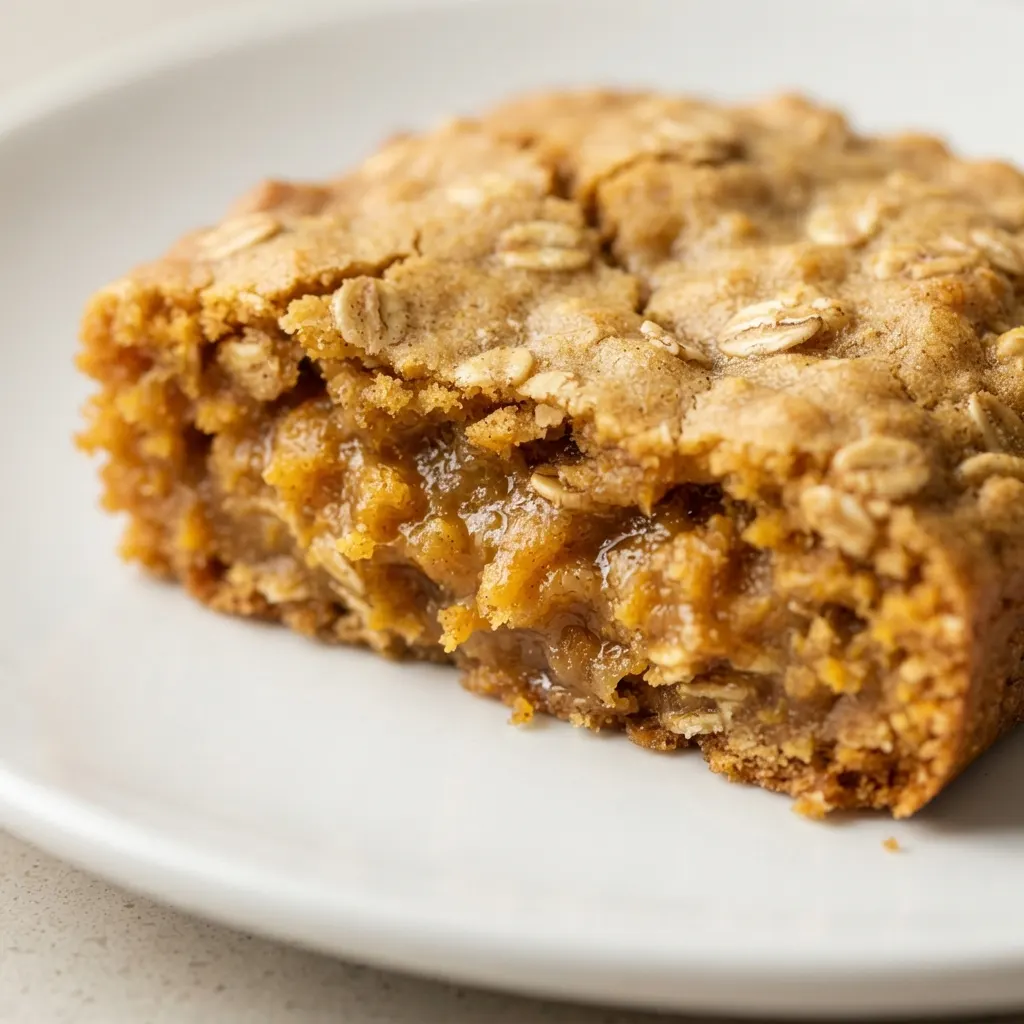
The rolled oats do something that all-purpose flour can’t: they absorb moisture slowly and release it during baking, keeping the crumb tender rather than heavy. Sweet potato puree adds natural sweetness and fat, which means you can use less oil and still get a cookie that feels indulgent. The almond flour — just a half cup — adds enough structure to prevent the cookies from turning gummy, while the oats give them a subtle chew that contrasts beautifully with the soft interior.
The real trick is the resting and cooling phase. If you pull these cookies off the baking sheet while they’re still warm, they’ll fall apart. They need that time on the wire rack to set the structure — about 15 minutes of patience pays off in cookies that hold together and stay soft for days. Most bakers find the 12- to 15-minute bake time is the sweet spot for chewy cookies; going past 16 minutes starts to dry them out.
One serving of these cinnamon sweet potato cookies provides roughly 10% of the daily recommended fiber, thanks to the oats and sweet potato, plus a meaningful dose of vitamin A. They hit that rare spot between actually nourishing and genuinely satisfying.
Everything You Need for Cinnamon Sweet Potato Cookies
- 1 cup mashed sweet potato (about 1 medium, cooked and mashed): This is the backbone of the cookie — moisture, sweetness, and color. Drain any excess liquid after cooking by letting it sit in a fine-mesh strainer for 10 minutes. Too-wet sweet potato is the most common reason these cookies spread flat; I learned that the hard way.
- 1½ cups rolled oats: Old-fashioned rolled oats, not instant. They provide texture and structure without making the cookies heavy. Quick oats will turn this into mush — save them for breakfast.
- ½ cup almond flour (or all-purpose flour): Almond flour adds tenderness and a subtle nuttiness. If you use all-purpose flour instead, the cookies will be slightly firmer but still good.
- 1 teaspoon cinnamon: The star spice here. Warm and aromatic, it pairs perfectly with the sweet potato.
- ¼ teaspoon nutmeg: Just enough to back up the cinnamon without overwhelming it. Freshly grated makes a noticeable difference.
- ¼ teaspoon baking soda: Helps the cookies rise just a little and keeps them from being too dense.
- ¼ teaspoon salt: Balances the sweetness and brings out the spice flavors. Don’t skip it.
- ⅓ cup maple syrup or honey: Maple syrup adds a deeper, almost caramel-like sweetness that I love with sweet potato. Honey works too — it makes the cookies slightly more floral.
- 1 large egg: Binds everything together and gives structure. Room temperature is important — a cold egg will stiffen the coconut oil and make the dough harder to mix.
- 2 tablespoons melted coconut oil or butter: Keeps the cookies tender. Coconut oil makes them dairy-free; butter adds a richer flavor.
- 1 teaspoon vanilla extract: Rounds out all the other flavors. A good vanilla makes a noticeable difference here.
- ⅓ cup chopped pecans or walnuts (optional): Adds crunch and a savory note that balances the sweetness. I almost always include them.
- ⅓ cup raisins or dried cranberries (optional): Little pockets of chewiness. Dried cranberries add a tart pop that’s lovely against the sweet potato.
What to Pull Out Before You Start
- Oven — preheated to 350°F (175°C)
- Baking sheet — a standard half-sheet pan works perfectly
- Parchment paper — non-negotiable for easy cleanup and even browning
- Large bowl — big enough to mix everything without flour flying everywhere
- Wire rack — essential for cooling; the cookies set as they cool
- Measuring cups and spoons — the usual suspects
- Fork or potato masher for mashing the sweet potato
- Cookie scoop or two spoons for portioning — a 2-tablespoon scoop is ideal
Let’s Make Cinnamon Sweet Potato Cookies — Step by Step
This comes together fast, so I like to get everything measured before I start mixing. Here’s exactly how I do it.
- Preheat and prep: Set your oven to 350°F (175°C) and line a baking sheet with parchment paper. The parchment prevents sticking and helps the bottoms brown evenly without burning.
- Mix the wet ingredients: In a large bowl, combine 1 cup mashed sweet potato, 1 egg, ⅓ cup maple syrup, 2 tablespoons melted coconut oil, and 1 teaspoon vanilla extract. Stir until smooth and uniform. The sweet potato should be fully incorporated with no streaks — if you see lumps, mash them against the side of the bowl with your spoon. Make sure your coconut oil isn’t piping hot when you add the egg, or you’ll end up with scrambled egg bits. Warm but not hot is the sweet spot.
- Add the dry ingredients: Stir in 1½ cups rolled oats, ½ cup almond flour, 1 teaspoon cinnamon, ¼ teaspoon nutmeg, ¼ teaspoon baking soda, and ¼ teaspoon salt. Mix until just combined — over-mixing will make the cookies tough. The dough will be thick and slightly sticky, similar to a drop cookie dough.
- Fold in the optional add-ins: If you’re using ⅓ cup chopped pecans and ⅓ cup raisins (or your preferred combo), fold them in gently with a spatula. Distribute evenly so every cookie gets a little crunch and a little sweetness.
- Scoop and shape: Scoop about 2 tablespoons of dough per cookie onto the prepared baking sheet, spacing them about 2 inches apart. Slightly flatten each mound with the back of your spoon or your fingers — they won’t spread much on their own, so flattening helps them bake evenly. When I’m tired, I skip the flattening step, and the cookies come out more domed but still taste great. Do what works for you.
- Bake: Place the sheet in the oven and bake for 12 to 15 minutes, until the cookies are set around the edges and golden on the bottom. The tops will look matte, not shiny, and the centers should feel firm when lightly pressed. If you tap one gently with your finger and it springs back slightly, it’s done. If it feels wet or jiggly, give it another minute or two.
- Cool completely: Transfer the baking sheet to a wire rack and let the cookies cool on the sheet for 5 minutes. Then move them directly to the wire rack to cool completely. This step is crucial — they firm up significantly as they cool. I know it’s tempting to eat one warm, but it will fall apart in your hands. Trust me, I’ve done it. Wait the full time.
How I Make These Ahead for the Week
These cinnamon sweet potato cookies are my go-to for meal prep because they store beautifully and actually taste better on day two. I often double the batch on a Sunday afternoon and portion them out for lunchbox treats or afternoon snacks throughout the week.
- At room temperature: Store in an airtight container for up to 4 days. Layer them between sheets of parchment paper so they don’t stick together. If your kitchen runs warm, move them to the fridge after day two.
- In the freezer: Yes, these freeze wonderfully. Bake and cool the cookies completely, then arrange them in a single layer on a baking sheet and freeze for 1 hour. Transfer to a freezer-safe bag or container and freeze for up to 3 months. Thaw at room temperature for about 20 minutes, or warm gently in the microwave for 10 seconds.
- To reheat: The best way to bring them back to life is a quick 10-second spin in the microwave or 5 minutes in a 300°F oven. The microwave keeps them soft; the oven gives the edges a little crispness. Both work, so it depends on your mood.
Things I Wish I’d Known the First Time
- Drain that sweet potato. This is my number one tip. After you cook and mash the sweet potato, let it sit in a fine-mesh strainer for at least 10 minutes. Even a tablespoon of excess liquid can make the dough too loose, causing the cookies to spread into thin, sad discs. I know it sounds fussy, but it’s the single easiest way to guarantee great results.
- Don’t over-mix the dough. Once you add the dry ingredients, mix only until no streaks of flour remain. Over-mixing develops the starch in the oats and almond flour, and the cookies come out dense instead of tender. A few small lumps are totally fine — they’ll bake out.
- Flatten the scoops. This dough is thick and doesn’t spread much on its own. If you leave the scoops as rounded balls, you’ll get puffy, uneven cookies. Give each one a gentle press with the back of a spoon to about ½-inch thickness, and they’ll bake up with a nice even shape and a soft, chewy texture throughout. Even if you skip this, they’ll still taste great.
- Cool completely before storing. If you put these cookies in an airtight container while they’re still warm, the steam will turn the bottoms soggy. Let them sit on the wire rack for a full 15 to 20 minutes until completely cool to the touch. Patience here pays off in cookies that stay perfect for days.
Swaps That Actually Work for These Cookies
- Gluten-free: These are naturally gluten-free if you use certified gluten-free rolled oats. Almond flour is already gluten-free, so no adjustments needed. Just check your oat label.
- Dairy-free: Use melted coconut oil instead of butter. The cookies will be slightly less rich but still tender and flavorful. Cocoa butter or a neutral vegetable oil also work in a pinch.
- Nut-free: Replace the almond flour with an equal amount of oat flour (just grind rolled oats in a blender) or all-purpose flour. Skip the optional pecans or walnuts. The texture changes slightly — oat flour makes them a bit heartier — but they’re still delicious.
- Spicy version: Add ¼ teaspoon ground ginger and a pinch of cloves along with the cinnamon and nutmeg. This turns them into a gingerbread-adjacent cookie that’s perfect for the holidays.
- Kid-friendly swap: Use honey instead of maple syrup (it’s sweeter and kids tend to love the flavor), and add ¼ cup mini chocolate chips along with or instead of the dried fruit. Chocolate and sweet potato are a surprisingly good pair.
- Egg-free: Replace the egg with a flax egg (1 tablespoon ground flaxseed mixed with 3 tablespoons water, let sit for 5 minutes). The cookies will be slightly more delicate, so handle them gently when transferring to the wire rack.
Why Did My Cinnamon Sweet Potato Cookies Turn Out Too Dense?
Q: Why did my sweet potato cookies turn out dense or gummy?
A: The most common culprit is too much moisture in the sweet potato. If you don’t drain the mashed sweet potato after cooking, the excess liquid makes the dough heavy and the cookies come out dense instead of tender. Next time, let the mash sit in a fine-mesh strainer for 10 minutes before using it. Another possibility is over-mixing the dough — stir just until the ingredients come together, and stop as soon as you don’t see any more flour. Over-mixing develops the starch and gives you hockey pucks instead of cookies. I’ve been there, and it’s fixable on the next batch.
Q: Can I use all-purpose flour instead of almond flour?
A: Yes, absolutely. Swap the almond flour with an equal amount of all-purpose flour. The cookies will be slightly firmer and a little less tender, but they’ll still be good. If you use all-purpose flour, you might need an extra tablespoon of maple syrup to balance the dryness — the dough should feel soft and scoopable, not stiff. Start with the same amount and add a splash more liquid if it looks dry.
Q: How do I know when these cookies are done baking?
A: Look for three visual cues: the edges should look set and slightly golden, the bottoms should be golden brown when you lift one gently with a spatula, and the tops should appear matte (not shiny or wet). The centers will feel firm but still soft when pressed lightly with your finger. If the centers feel jiggly or leave a wet mark, give them another 1 to 2 minutes. Every oven runs a little different, so start checking at 12 minutes and go from there.
Q: Can I make these cookies vegan?
A: Yes, with two swaps. Replace the egg with a flax egg (1 tablespoon ground flaxseed mixed with 3 tablespoons water, let sit for 5 minutes until thick). Use melted coconut oil or another plant-based oil instead of butter. The cookies will be a bit more delicate, so let them cool on the baking sheet for a full 10 minutes before moving them to the wire rack. I’ve made this vegan version many times, and they hold up beautifully for up to 3 days in an airtight container.
Can You Freeze These Cinnamon Sweet Potato Cookies?
Q: How long do these cookies last, and how should I store them?
A: Stored in an airtight container at room temperature, these cookies stay soft and fresh for up to 4 days. If your kitchen is warm or humid, move them to the fridge after day 2 — they’ll keep for another 2 to 3 days there. Layer them between sheets of parchment paper so they don’t stick together. After about 4 days, they start to dry out slightly, but they’re still good crumbled over yogurt or ice cream.
Q: Can I freeze these cookies?
A: Yes, they freeze beautifully. Bake and cool the cookies completely, then arrange them in a single layer on a baking sheet and freeze for 1 hour. Once they’re firm, transfer them to a freezer-safe bag or container, pressing out as much air as possible. They’ll keep for up to 3 months. To enjoy, let them thaw at room temperature for about 20 minutes, or microwave for 10 to 15 seconds. They taste almost as good as fresh.
Q: What’s the best way to reheat these cookies?
A: For a soft, just-baked texture, microwave for 10 seconds. For slightly crisper edges and a warm center, pop them in a 300°F oven for 5 minutes. I usually go with the microwave for speed, but if I’m serving them with coffee and want that fresh-baked feel, the oven is worth the extra few minutes. Either way, don’t overheat — these cookies dry out fast if you go too long.
Q: What do you serve with these cookies?
A: They’re wonderful on their own, but a few pairings take them to another level. A dollop of Greek yogurt or whipped coconut cream with a drizzle of extra maple syrup turns them into a dessert that feels fancy but takes 10 seconds. A scoop of vanilla ice cream makes them an easy weeknight sundae. And honestly, they’re perfect alongside a cup of strong black coffee or chai — the warm spices in the cookies mirror the chai beautifully. My personal favorite is a cold glass of oat milk; it cuts the sweetness just enough.
These cinnamon sweet potato cookies have become one of those recipes I make without thinking, the kind that feels like a win every single time. Whether you’re baking for a crowd, meal-prepping for the week, or just need something sweet that doesn’t come with a sugar crash, they deliver. I hope they earn a spot in your regular rotation the way they have in mine.
If you try these cinnamon sweet potato cookies, I’d love to hear how they turned out — drop a comment below or tag me on Pinterest so I can see your batch. Happy baking!
📌 These soft cinnamon sweet potato cookies are made with oats and maple syrup for a naturally sweet treat — save this recipe for your next cozy baking afternoon.
Cinnamon Sweet Potato Cookies That Stay Soft for Days — Just 30 Minutes Start to Finish
Equipment
- Oven
- Baking Sheet
- Parchment Paper
- Large Bowl
- Wire rack
- Measuring Cups and Spoons
- Fork or Potato Masher
- Cookie scoop
Ingredients
Ingredients
- 1 cup mashed sweet potato about 1 medium, cooked and mashed; drain excess liquid
- 1½ cups rolled oats old-fashioned, not instant
- ½ cup almond flour or all-purpose flour
- 1 teaspoon cinnamon
- ¼ teaspoon nutmeg
- ¼ teaspoon baking soda
- ¼ teaspoon salt
- ⅓ cup maple syrup or honey
- 1 large egg room temperature
- 2 tablespoons melted coconut oil or butter
- 1 teaspoon vanilla extract
- ⅓ cup chopped pecans or walnuts, optional
- ⅓ cup raisins or dried cranberries, optional
Instructions
- Preheat and prep: Set your oven to 350°F (175°C) and line a baking sheet with parchment paper. The parchment prevents sticking and helps the bottoms brown evenly without burning.
- Mix the wet ingredients: In a large bowl, combine 1 cup mashed sweet potato, 1 egg, ⅓ cup maple syrup, 2 tablespoons melted coconut oil, and 1 teaspoon vanilla extract. Stir until smooth and uniform. The sweet potato should be fully incorporated with no streaks — if you see lumps, mash them against the side of the bowl with your spoon. Make sure your coconut oil isn’t piping hot when you add the egg, or you’ll end up with scrambled egg bits. Warm but not hot is the sweet spot.
- Add the dry ingredients: Stir in 1½ cups rolled oats, ½ cup almond flour, 1 teaspoon cinnamon, ¼ teaspoon nutmeg, ¼ teaspoon baking soda, and ¼ teaspoon salt. Mix until just combined — over-mixing will make the cookies tough. The dough will be thick and slightly sticky, similar to a drop cookie dough.
- Fold in the optional add-ins: If you’re using ⅓ cup chopped pecans and ⅓ cup raisins (or your preferred combo), fold them in gently with a spatula. Distribute evenly so every cookie gets a little crunch and a little sweetness.
- Scoop and shape: Scoop about 2 tablespoons of dough per cookie onto the prepared baking sheet, spacing them about 2 inches apart. Slightly flatten each mound with the back of your spoon or your fingers — they won’t spread much on their own, so flattening helps them bake evenly. When I’m tired, I skip the flattening step, and the cookies come out more domed but still taste great. Do what works for you.
- Bake: Place the sheet in the oven and bake for 12 to 15 minutes, until the cookies are set around the edges and golden on the bottom. The tops will look matte, not shiny, and the centers should feel firm when lightly pressed. If you tap one gently with your finger and it springs back slightly, it’s done. If it feels wet or jiggly, give it another minute or two.
- Cool completely: Transfer the baking sheet to a wire rack and let the cookies cool on the sheet for 5 minutes. Then move them directly to the wire rack to cool completely. This step is crucial — they firm up significantly as they cool. I know it’s tempting to eat one warm, but it will fall apart in your hands. Trust me, I’ve done it. Wait the full time.
Notes
- Drain that sweet potato. This is my number one tip. After you cook and mash the sweet potato, let it sit in a fine-mesh strainer for at least 10 minutes. Even a tablespoon of excess liquid can make the dough too loose, causing the cookies to spread into thin, sad discs. I know it sounds fussy, but it’s the single easiest way to guarantee great results.
- Don’t over-mix the dough. Once you add the dry ingredients, mix only until no streaks of flour remain. Over-mixing develops the starch in the oats and almond flour, and the cookies come out dense instead of tender. A few small lumps are totally fine — they’ll bake out.
- Flatten the scoops. This dough is thick and doesn’t spread much on its own. If you leave the scoops as rounded balls, you’ll get puffy, uneven cookies. Give each one a gentle press with the back of a spoon to about ½-inch thickness, and they’ll bake up with a nice even shape and a soft, chewy texture throughout. Even if you skip this, they’ll still taste great.
- Cool completely before storing. If you put these cookies in an airtight container while they’re still warm, the steam will turn the bottoms soggy. Let them sit on the wire rack for a full 15 to 20 minutes until completely cool to the touch. Patience here pays off in cookies that stay perfect for days.
Related posts:
 Soft, Pillowy White Chocolate Pumpkin Snickerdoodles with a Cinnamon-Sugar Crunch
 Oatmeal Chocolate Chip Bars That Stay Soft for a Week — Ready in 30 Minutes
 White Chocolate Pumpkin Snickerdoodles: The Soft, Bakery-Style Version That Actually Works
 My Go-To Brown Butter Pumpkin Chocolate Chip Cookies (The Foolproof Method for Soft Centers + Crispy Edges)