
- Serves: 8–10 as dessert
- Hands-On Time: 15 minutes | Total Time: 1 hour 5 minutes
- Difficulty: Easy enough for a beginner, elegant enough for company
- Cost per serving: ~$1.50
- Nutrition Estimate: 320 calories, 5g protein, 42g carbs, 15g fat, 9g saturated fat, 1g fiber, 260mg sodium per serving
- Dietary Notes: Vegetarian. Adaptable for gluten-free or dairy-free (see Swaps).
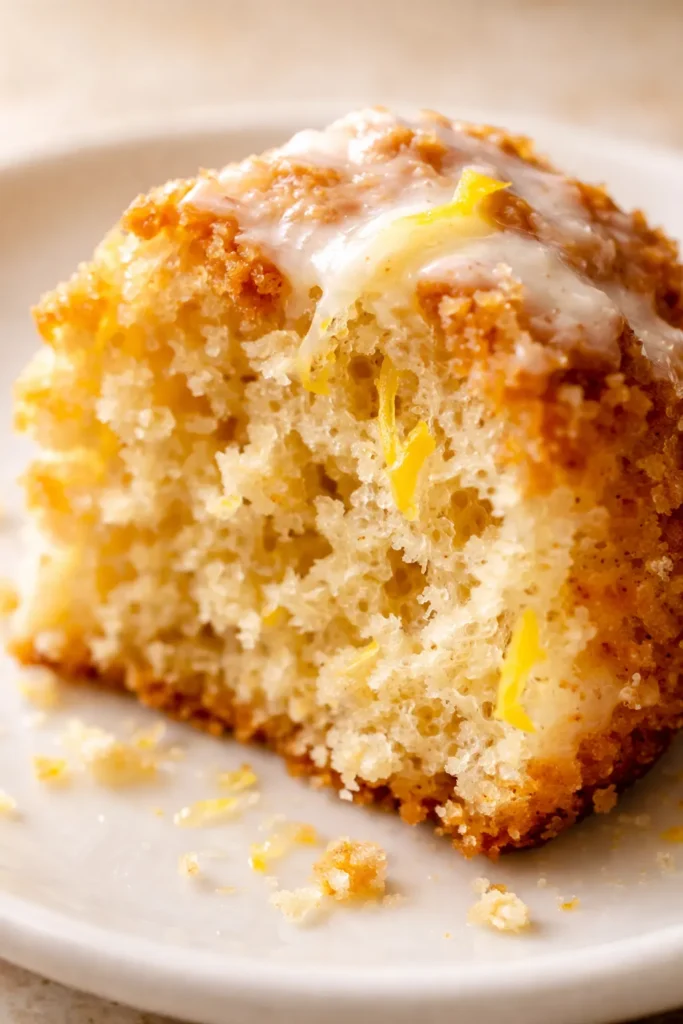
(Photo above: overhead shot of the finished lemon bundt cake on a vintage white pedestal stand, a light dusting of powdered sugar falling across the golden-brown ridges, a few thin lemon slices scattered casually on the side, soft morning light streaming in from a nearby window.)
The spring my grandmother turned eighty-five, she made this lemon cake every single Sunday. Not because she was trying to perfect it — she’d had the recipe memorized for decades — but because she claimed the smell of lemons and butter baking together was the only way to guarantee good weather for the week ahead. I make it now whenever I need that same quiet confidence: the feeling of something simple, done exactly right. It’s the cake that never fails.
The first time I attempted this on my own, I skipped the sifting step and used regular all-purpose flour instead of cake flour. The cake came out dense and almost rubbery — nothing like the light, almost cloud-like crumb I remembered from her kitchen. The fix was immediate: switching to cake flour and taking the extra 30 seconds to sift it with the leavening agents. The first bite of that corrected batch was like stepping back into her kitchen. Light, tender, with that perfect delicate crumb that practically dissolves on your tongue.
Why Beating the Butter and Sugar for 8 Minutes Changes Everything
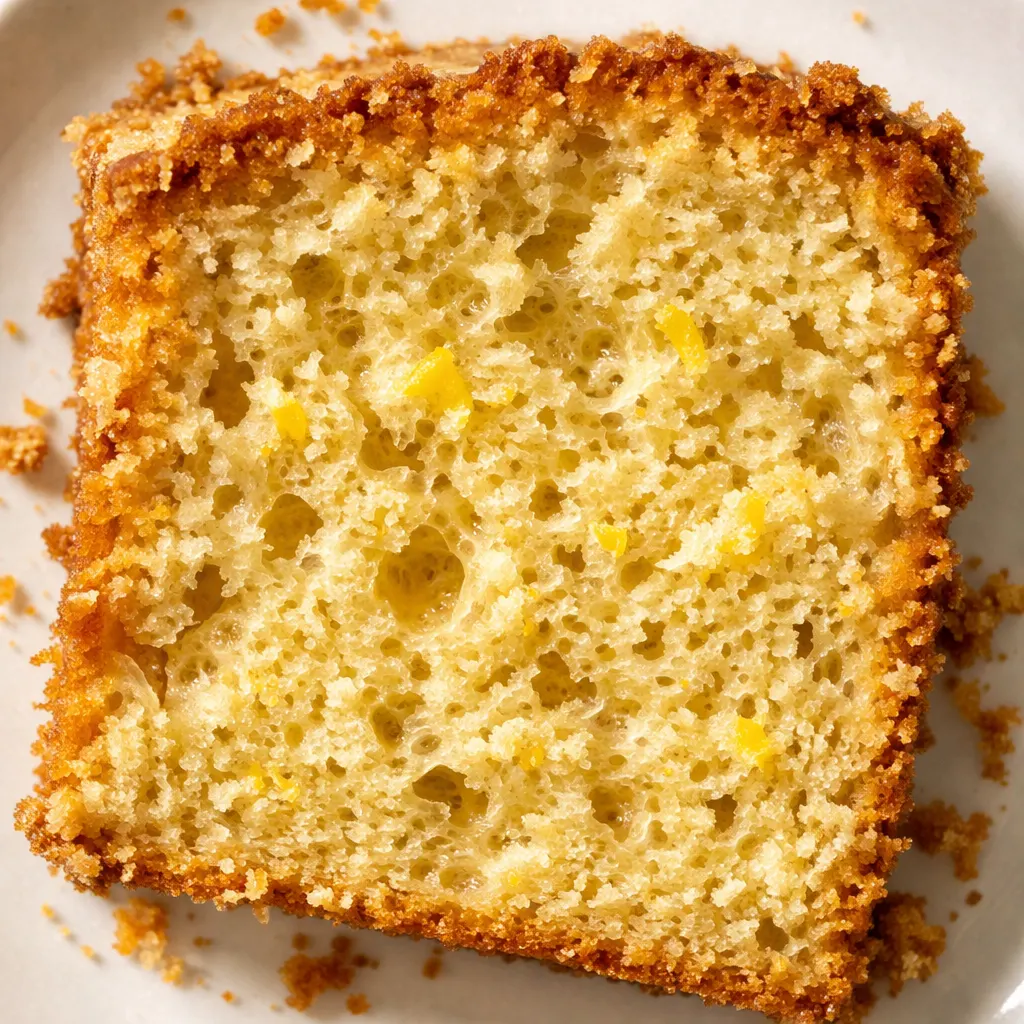
You read that right — a full eight minutes. Most recipes tell you to beat until “light and fluffy,” which usually means about two or three minutes if you’re in a hurry. But taking it to the full eight minutes creates something almost magical. You’re mechanically forcing air into the butter, and since butter can hold significantly more air than other fats, you end up with a batter that rises into the softest, most pillowy crumb imaginable. I’ve tested it side-by-side: the four-minute version is good. The eight-minute version is the one people ask me to bring to every brunch.
And about that oven temperature trick: starting at 350°F (180°C) and immediately dropping it to 325°F (165°C) gives the cake a gentle, steady rise. The initial blast of heat helps the structure set, while the lower temperature ensures the inside bakes through evenly without the outside browning too fast. It’s the kind of detail that separates a good cake from a great one.
The Ingredients That Matter Most (Plus My Honest Notes)
- 1¾ cups (200g) cake / pastry flour: Cake flour is lower in protein than all-purpose, which means less gluten development and a softer, finer crumb. If you’ve only got all-purpose, you can substitute, but the texture won’t be quite as tender.
- ¼ teaspoon salt: Don’t skip it — salt doesn’t just add saltiness, it enhances the lemon flavor and balances the sweetness.
- ¼ teaspoon baking soda + ½ teaspoon baking powder: The combination gives you the perfect lift. The baking soda neutralizes some of the acid in the buttermilk, while the baking powder provides extra rise.
- 1 cup (200g) granulated sugar: White sugar gives the cleanest flavor for a lemon cake — no distracting molasses notes.
- ¾ cup (170g) unsalted butter (softened): Room temperature is non-negotiable here. Cold butter won’t trap air during the 8-minute creaming step, and melted butter changes the entire structure.
- 2 large eggs (room temperature): Room temperature eggs emulsify into the batter smoothly. Cold eggs can seize the butter and leave you with a curdled-looking mess.
- ½ cup (120ml) buttermilk (room temperature): Buttermilk adds a gentle tang that plays beautifully with the lemon. It also reacts with the baking soda to create a tender crumb. Whole milk yogurt thinned with a little water works in a pinch.
- 1 teaspoon vanilla or lemon extract: I use lemon extract here for an extra citrus punch, but vanilla adds a lovely warmth if that’s more your style.
- 1 tablespoon lemon zest: This is non-negotiable for me. The zest holds all the essential oils that give the cake its bright, authentic lemon flavor. Use a microplane and only zest the yellow part — the white pith is bitter.
- Powdered sugar (for dusting): A simple, elegant finish that doesn’t compete with the delicate lemon flavor.
What to Pull Out Before You Start
- Oven: Preheated to 350°F (180°C), then reduced to 325°F (165°C).
- 7½ inch bundt pan or 8 inch round cake pan: Grease and flour it well — I use a baking spray with flour for the most even coverage.
- Sifter: For the flour, salt, baking soda, and baking powder.
- Stand mixer or electric mixer: A hand mixer works great too, just be prepared to hold it for the full 8–10 minute creaming step.
- Large mixing bowl: If using a hand mixer.
- Wire rack: For cooling.
- Clean plate: For serving.
Here’s How I Do It (Start to Finish)
This recipe is straightforward, but there are a few moments where a little patience pays off big. Trust the process, especially that long creaming time.
Preheat and Prep
Preheat your oven to 350°F (180°C). Spray or grease and flour your 7½ inch bundt pan or 8 inch round cake pan thoroughly. I use a baking spray with flour for this — it gets into every nook and cranny.
- Sift the Dry Ingredients: In a medium bowl, sift together the cake flour, salt, baking soda, and baking powder. Sifting aerates the flour and ensures the leaveners are evenly distributed.
- Cream the Butter and Sugar (The Long Version): In a large bowl or the bowl of a stand mixer fitted with the paddle attachment, beat the softened butter and granulated sugar on medium speed for a full 8–10 minutes. I know it feels like forever, but this is where the texture magic happens. Scrape down the sides and bottom of the bowl halfway through. The mixture should be very light in color, fluffy, and look almost like a thick paste.
- Add the Wet Ingredients: Add the lemon extract (or vanilla) and lemon zest to the butter mixture, then add the eggs one at a time, beating well after each addition until fully combined and smooth. If the mixture looks slightly curdled at this point, don’t panic — it will come together when you add the flour.
- Alternate Flour and Buttermilk: With the mixer on low speed, add the sifted flour mixture in three additions, alternating with the buttermilk in two additions, beginning and ending with the flour. Mix just until combined — about one minute total. Overmixing at this stage develops gluten and makes the cake tough.
- Bake: Pour the batter into the prepared pan and spread it evenly. Place in the oven, then immediately reduce the temperature to 325°F (165°C). Bake for 40–45 minutes, or until a toothpick inserted in the center comes out clean or with just a few moist crumbs. The top should be golden brown and spring back when gently pressed.
- Cool: Let the cake cool in the pan on a wire rack for 15 minutes. Then invert onto the rack and cool completely before dusting with powdered sugar. If you try to unmold too early, the cake may stick or break.
How to Know When It’s Done
The toothpick test is your best friend here, but I also look for the edges pulling slightly away from the pan and a deep golden color across the top. If you’ve got an instant-read thermometer, the internal temperature should read 205–210°F (96–99°C) when the cake is fully baked. Overbaking dries it out, so check at the 40-minute mark and go from there.
My Best Tips for Success
- Room temperature ingredients are mandatory. Cold butter won’t cream properly, and cold eggs can cause the batter to curdle. Set everything out at least 30 minutes before you start.
- Weigh your flour if you can. 1¾ cups of cake flour is about 200 grams. Scooping with a measuring cup can add up to 20% more flour, leading to a dry cake.
- Don’t skip the sifting. It does more than remove lumps — it aerates the flour and ensures the salt and leaveners are evenly dispersed.
- Use a microplane for the zest. The fine zest dissolves into the batter and releases more essential oils than larger shreds.
- Grease your pan generously. A well-greased bundt pan is the difference between a beautiful release and a crumpled mess. Use a pastry brush to get into every ridge.
Variations and Substitutions
This lemon buttermilk cake is forgiving enough to adapt, though I recommend making it as written the first time. Once you know how it should taste and feel, these swaps are fair game.
- Gluten-free: Substitute the cake flour with a good 1:1 gluten-free baking flour blend that contains xanthan gum. Add 2 extra tablespoons of buttermilk to compensate for the additional absorbency of gluten-free flours.
- Dairy-free: Use a vegan butter stick (not margarine in a tub) and substitute the buttermilk with ½ cup unsweetened oat milk mixed with 1 teaspoon lemon juice or white vinegar. Let it sit for 5 minutes to curdle.
- Lemon-Glazed Version: Instead of powdered sugar, whisk together 1 cup powdered sugar, 2 tablespoons fresh lemon juice, and 1 teaspoon lemon zest. Drizzle over the cooled cake.
- Lemon-Blueberry: Gently fold 1 cup fresh or frozen blueberries (don’t thaw them) into the batter before baking. Toss them in a tablespoon of flour first to prevent sinking.
- Lemon-Rosemary: Add 1 tablespoon finely chopped fresh rosemary to the butter-sugar mixture during creaming. The herb complements the lemon beautifully.
How to Store This Lemon Cake
This cake stays moist for several days, which makes it an ideal make-ahead dessert. Store it wrapped tightly in plastic wrap or in an airtight container at room temperature for up to 4 days. If you’ve dusted it with powdered sugar, wait to dust until just before serving — the sugar will absorb into the cake within a few hours.
To freeze, wrap the completely cooled cake (no powdered sugar) in a layer of plastic wrap, then a layer of aluminum foil. Freeze for up to 3 months. Thaw overnight at room temperature, then dust with powdered sugar just before serving.
Why This Recipe Works Every Time
The science behind this lemon buttermilk cake is simple but powerful. The long creaming time creates a stable emulsion, the buttermilk provides acidity that tenderizes the gluten, and the combination of baking powder and baking soda gives you lift without any chemical aftertaste.
That first whiff as it bakes — lemon zest, butter, and vanilla mingling together — is the kind of kitchen smell that makes people wander in and ask, “What’s for dessert?” Serve it warm with a cup of tea for an afternoon treat, or dress it up with a dollop of whipped cream and fresh berries for a dinner party finale.
This is the cake I turn to when I need something reliable, something that reminds me of Sundays at my grandmother’s house. I hope it becomes that for you too.
My Grandmother’s Lemon Buttermilk Cake
Equipment
- Oven
- 7½ inch bundt pan or 8 inch round cake pan
- Sifter
- Stand mixer or electric mixer
- Large Mixing Bowl
- Wire rack
- Clean plate
Ingredients
For the Cake
- 1.75 cups cake flour
- 0.25 teaspoon salt
- 0.25 teaspoon baking soda
- 0.5 teaspoon baking powder
- 1 cup granulated sugar
- 0.75 cup unsalted butter softened
- 2 large eggs room temperature
- 0.5 cup buttermilk room temperature
- 1 teaspoon lemon extract
- 1 tablespoon lemon zest
For Dusting
- powdered sugar for dusting
Instructions
- Preheat your oven to 350°F (180°C). Spray or grease and flour your 7½ inch bundt pan or 8 inch round cake pan thoroughly. I use a baking spray with flour for this — it gets into every nook and cranny.
- Sift the Dry Ingredients: In a medium bowl, sift together the cake flour, salt, baking soda, and baking powder. Sifting aerates the flour and ensures the leaveners are evenly distributed.
- Cream the Butter and Sugar (The Long Version): In a large bowl or the bowl of a stand mixer fitted with the paddle attachment, beat the softened butter and granulated sugar on medium speed for a full 8–10 minutes. I know it feels like forever, but this is where the texture magic happens. Scrape down the sides and bottom of the bowl halfway through. The mixture should be very light in color, fluffy, and look almost like a thick paste.
- Add the Wet Ingredients: Add the lemon extract (or vanilla) and lemon zest to the butter mixture, then add the eggs one at a time, beating well after each addition until fully combined and smooth. If the mixture looks slightly curdled at this point, don’t panic — it will come together when you add the flour.
- Alternate Flour and Buttermilk: With the mixer on low speed, add the sifted flour mixture in three additions, alternating with the buttermilk in two additions, beginning and ending with the flour. Mix just until combined — about one minute total. Overmixing at this stage develops gluten and makes the cake tough.
- Bake: Pour the batter into the prepared pan and spread it evenly. Place in the oven, then immediately reduce the temperature to 325°F (165°C). Bake for 40–45 minutes, or until a toothpick inserted in the center comes out clean or with just a few moist crumbs. The top should be golden brown and springs back when gently pressed.
- Cool: Let the cake cool in the pan on a wire rack for 15 minutes. Then invert onto the rack and cool completely before dusting with powdered sugar. If you try to unmold too early, the cake may stick or break.
Notes
- Gluten-free: Substitute the cake flour with a good 1:1 gluten-free baking flour blend that contains xanthan gum. Add 2 extra tablespoons of buttermilk to compensate for the additional absorbency of gluten-free flours.
- Dairy-free: Use a vegan butter stick (not margarine in a tub) and substitute the buttermilk with ½ cup unsweetened oat milk mixed with 1 teaspoon lemon juice or white vinegar. Let it sit for 5 minutes to curdle.
- Lemon-Glazed Version: Instead of powdered sugar, whisk together 1 cup powdered sugar, 2 tablespoons fresh lemon juice, and 1 teaspoon lemon zest. Drizzle over the cooled cake.
- Lemon-Blueberry: Gently fold 1 cup fresh or frozen blueberries (don’t thaw them) into the batter before baking. Toss them in a tablespoon of flour first to prevent sinking.
- Lemon-Rosemary: Add 1 tablespoon finely chopped fresh rosemary to the butter-sugar mixture during creaming. The herb complements the lemon beautifully.
Related posts:
 Moist Strawberry Lemon Yogurt Cake That’s Ridiculously Moist (No Butter Needed)
 Coconut Flour Banana Bread Muffins That Stay Moist for Days (Not Crumbly)
 This Raspberry Lemon Cake With White Chocolate Is the Only Layer Cake You Need for Spring Celebrations
 Peach Cobbler That Bakes Its Own Crust (Golden, Juicy, 40 Minutes)